
Predictive Maintenance: Preventing Future Failures with Data

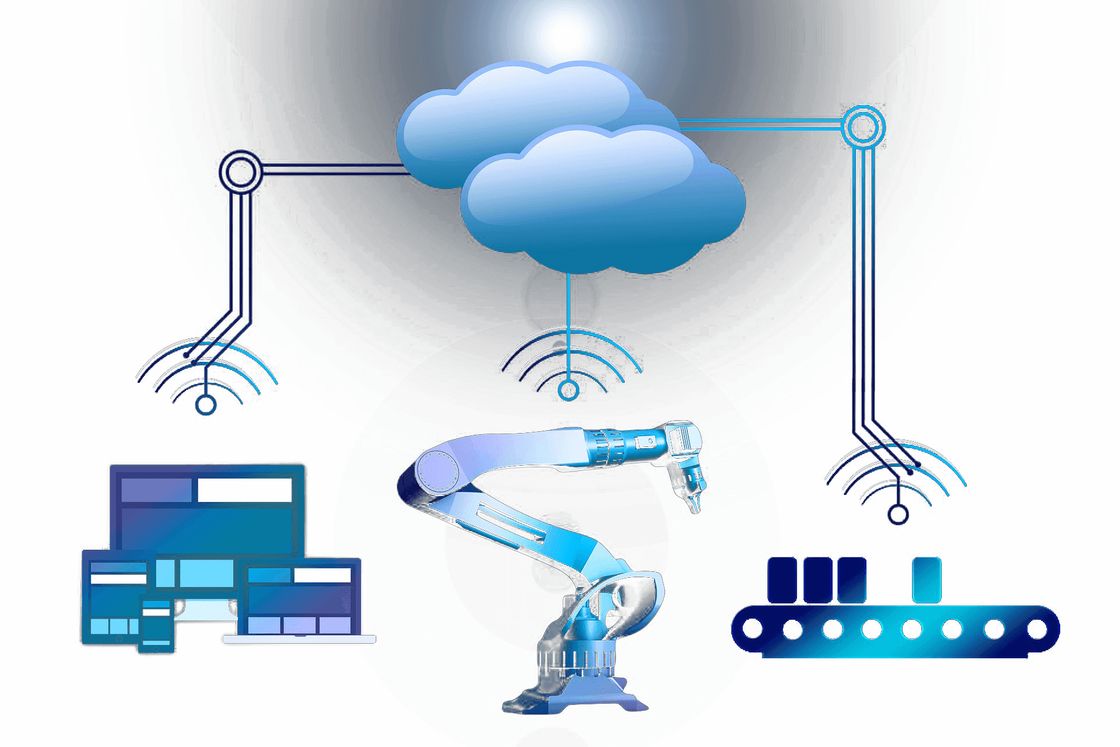
Reducing downtime is the primary goal of maintenance. Those who can predict it before it happens have the advantage. This is precisely what Predictive Maintenance promises. But what is behind it? And does it work?
The main task of maintenance is to avoid unplanned downtimes, keep downtime as short as possible, and thus ensure the operational and work safety of a plant or machine in the long term. This is achieved through the quick repair of defects (corrective maintenance) or through regular maintenance of the machine according to the intervals specified by the manufacturer, such as operating hours or shot counters (planned and preventive maintenance). But is this maintenance strategy still state-of-the-art?
Industry 4.0: A New Era of Maintenance
Big Data, Internet of Things, Artificial Intelligence, and Machine Learning – these buzzwords are currently being repeated in the IT industry. These terms are also making their way into maintenance as part of the development towards Industry 4.0, promising nothing less than the beginning of a new maintenance era. The buzzword here: Predictive Maintenance.
Predictive Maintenance, or proactive maintenance, aims to predict machine failures and safety-critical conditions of plants and prevent them through preventive measures. Real-time data is analysed, and patterns are recognised that indicate which plants should be maintained or replaced and when.
Proactive maintenance occurs exactly when it is needed. The result: Downtime can not only be reduced, but unnecessary maintenance measures can also be avoided. This increases efficiency and lowers maintenance and failure costs.
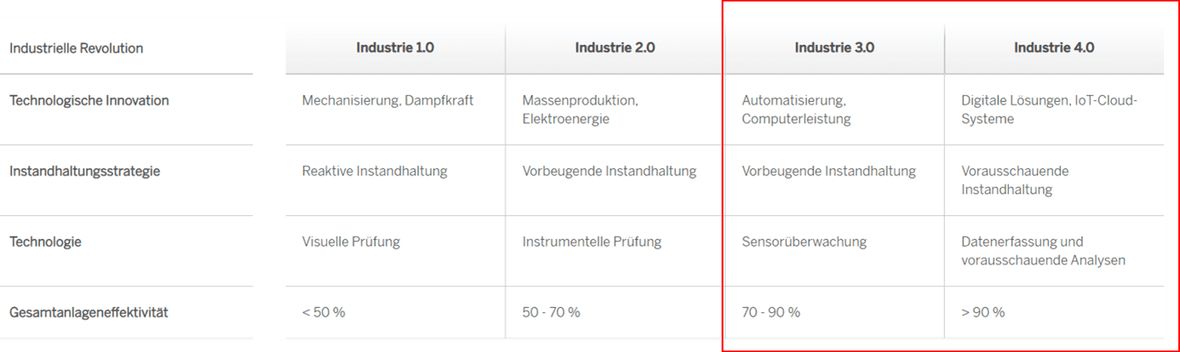
Predictive Maintenance represents a significant step forward for companies into the future of maintenance. The development and possibilities of technological progress and its impact on maintenance strategies and overall plant effectiveness are illustrated in the following diagram from SAP (adapted from Deloitte):
Source: SAP
SAP Asset Performance Management (APM) meets SRB
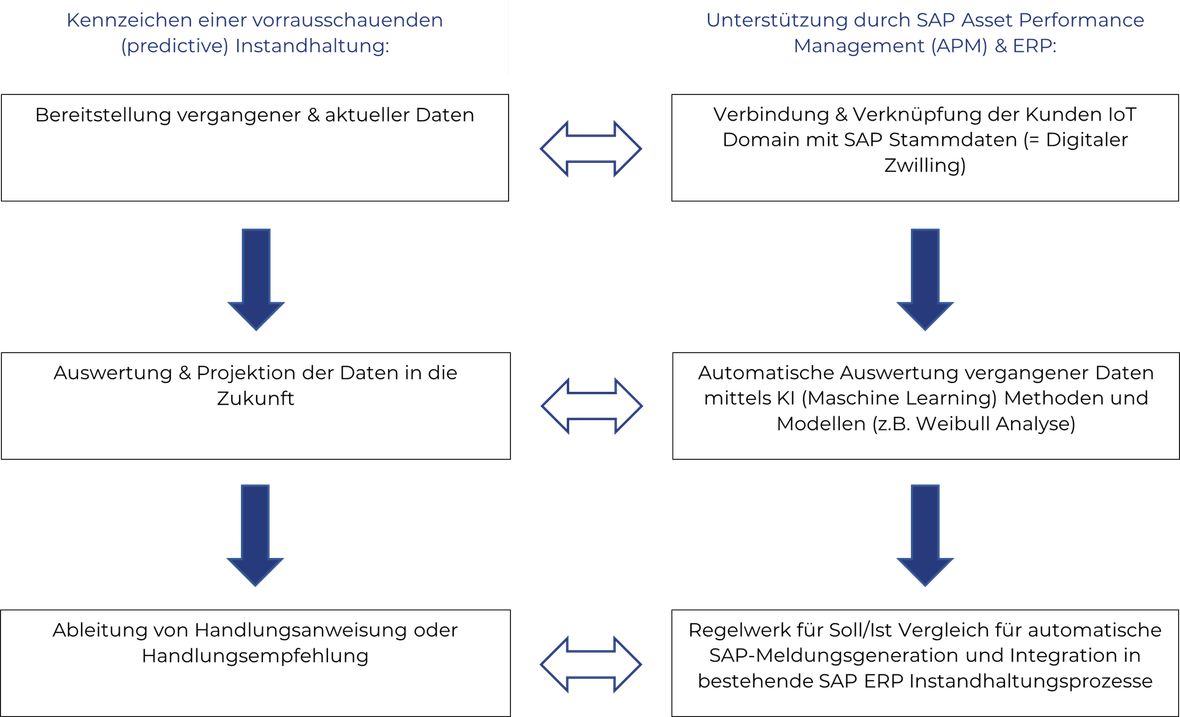
A solution that supports companies in proactive maintenance is SAP Asset Performance Management. And nothing explains how it works better than a nice, illustrative graphic:
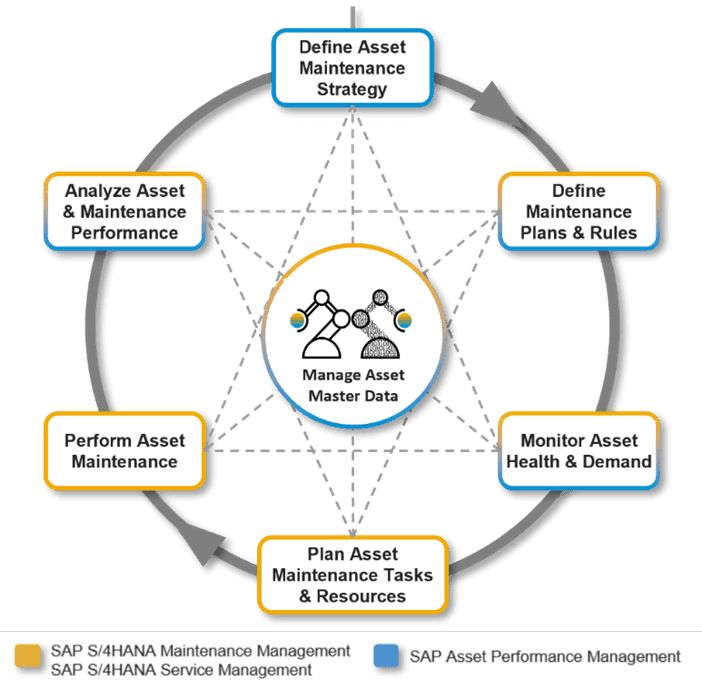
But SAP does not stop here; it takes a crucial step further: With Asset Performance Management and Enterprise Asset Management, the goal is to close the loop between maintenance strategy and execution and to define, implement, and monitor the optimal maintenance..
Source: SAP Blog
But does it work? SRB has provided the proof with the international medical and safety technology producer Dräger. At the SRB Supply Chain for Future Summit, Dräger gas warning systems were connected with SAP APM and Enterprise Asset Management in a showcase for gas monitoring to create an end-to-end Smart Safety Management solution.
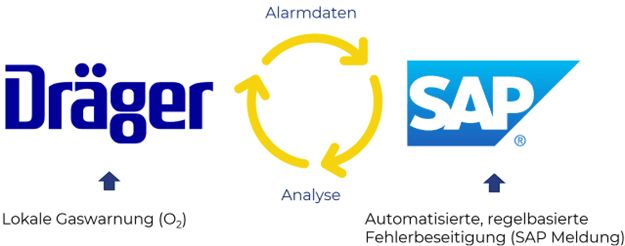
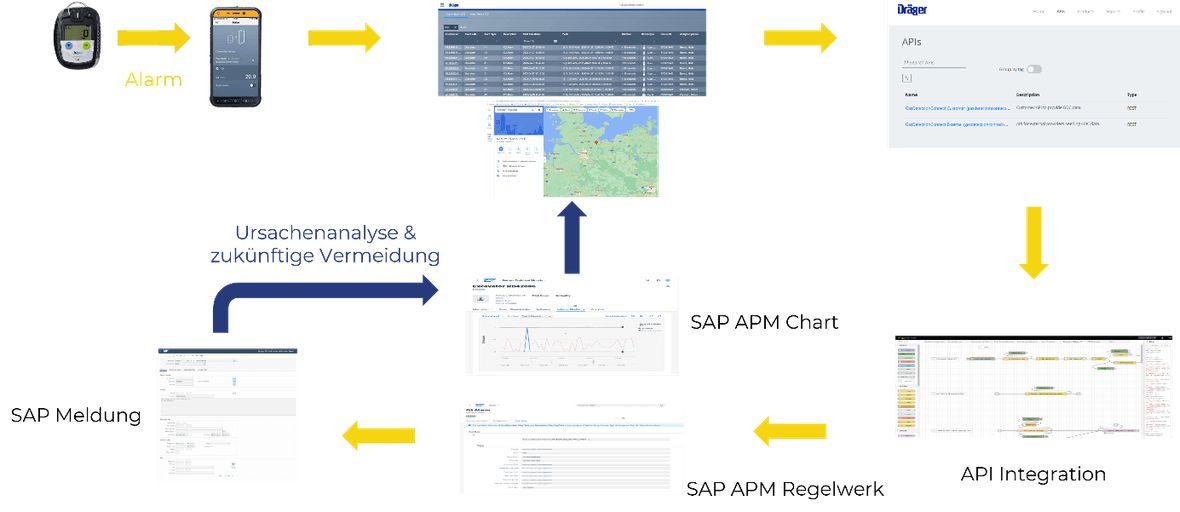
Specifically, this means that alarms from gas measuring devices are transmitted to the cloud-based Dräger Gas Detection Connect in addition to local alarm handling. Through a custom API with SAP or third-party solutions, these can be retrieved and passed on to the SAP APM IoT layer. In SAP APM, a maintenance notification or service notification is automatically created in SAP Enterprise Asset Management (EAM) based on the rules and a created rule for the alarm. Additionally, as a complement to existing corrective and planned SAP EAM maintenance and service functions, a root cause analysis can be conducted to prevent similar incidents in the future.
Approaching maintenance correctly – we show how If you want to know how Predictive Maintenance and SAP APM can bring more efficiency to your maintenance, please contact us without obligation. We would be happy to show you.
This concludes our little maintenance series. If you would like to have a full overview of what maintenance means today, feel free to read the previous contributions again. This way:


